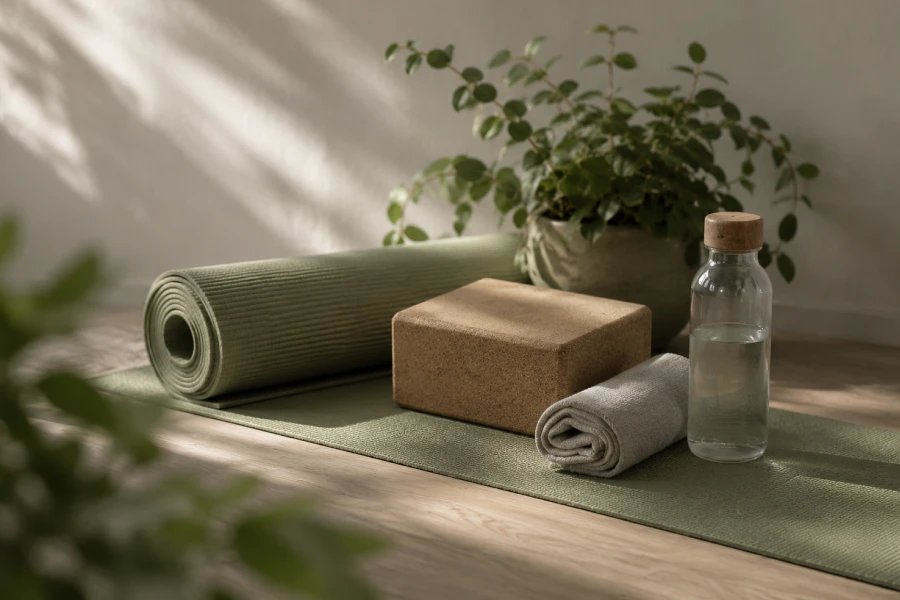
Daily Stretching for Healing offers a calm way to support your body through movement, breath, and attention. Healing does not always mean doing more. Sometimes it means creating space for the body to recover from stress, stiffness, and repeated patterns. Gentle stretching can help you slow down and reconnect with how you feel. It can also make daily movement more comfortable. The routine does not need to be impressive. It needs to be safe, steady, and kind. Small sessions repeated often can support a more relaxed relationship with your body.
Your body responds well to gentle consistency. Long periods of sitting, standing, exercising, or stress can create tension. Stretching gives you a simple way to release some of that buildup. A healing stretch routine can help you choose movements with more confidence. The goal is not to chase dramatic flexibility. The goal is to feel more at home in your body. When practiced calmly, stretching can become a daily signal of care, patience, and restoration.
Begin with a body scan. Notice your neck, shoulders, back, hips, legs, and feet. Ask where you feel tightness or fatigue. Let that answer guide the first stretch. This keeps the routine personal. It also prevents you from moving through random poses without awareness. Start slowly. Use comfortable positions. Keep breathing. If a stretch feels sharp, stop or adjust. Healing requires trust. That trust grows when your body learns that the routine will not force it. Gentle beginnings make long-term consistency more likely.
Different days create different needs. After desk work, your chest and hips may need attention. After walking, your calves and hamstrings may feel tight. After stress, your shoulders and jaw may feel tense. Choose stretches based on the day you actually had. This keeps the practice useful. It also makes it easier to stay engaged. A routine that never changes can become mindless. A responsive routine teaches awareness. You learn to notice patterns and respond early. That skill can support comfort beyond the stretching session itself.
Breath helps the body soften. It also gives your mind a steady anchor. Try breathing slowly as you settle into each stretch. Let the exhale be longer than the inhale if that feels natural. Avoid holding your breath. A gentle stretching ebook can help you combine breath and movement more intentionally. This pairing makes the routine feel less mechanical. It turns stretching into a calmer practice that supports both physical ease and mental stillness.
A daily habit needs a clear place in your routine. Morning stretching can help you enter the day with more awareness. Evening stretching can help you release accumulated tension. Choose the time that feels easiest to repeat. Keep the routine short at first. Three stretches are enough. Pair them with an existing habit, such as brushing your teeth or changing clothes. This makes the routine easier to remember. When stretching has a reliable anchor, it becomes less dependent on motivation and more connected to daily rhythm.
Activity can leave the body needing a gentle transition. After workouts, walks, chores, or travel, stretching can help you slow down. Focus on the areas that worked hardest. Hold positions comfortably. Avoid using stretching as another performance goal. A post-workout healing routine can give you a helpful framework. The best recovery practices feel supportive enough to repeat. They help your body understand that effort has ended and restoration can begin.
Pain is useful information. It tells you that something needs adjustment. Gentle stretching should not involve sharp sensations, numbness, or joint discomfort. If any of those appear, back off immediately. Use props, reduce the range, or choose another stretch. Respecting limits is part of healing. It also keeps the practice emotionally safe. Many people feel pressure to improve quickly. That pressure can create unnecessary strain. A kinder approach works better. Let the body open gradually. Progress that comes from patience is usually easier to maintain.
A daily stretching habit can build self-trust. Each session shows that you are willing to listen to your body. You notice tension instead of ignoring it. You respond gently instead of pushing harder. Over time, that pattern matters. It changes the way you relate to discomfort, recovery, and rest. The routine becomes more than movement. It becomes a small daily promise of care. You may feel looser, calmer, and more aware. Most importantly, you create a practice that supports healing without demanding perfection.




Leave a comment