Gentle Recovery Stretching gives your body a softer way to reset after movement, stress, or long hours sitting. Many routines focus on pushing harder, moving faster, and reaching bigger goals. Recovery asks for a different skill. It invites patience. It teaches you to notice tension before it becomes a problem. Gentle stretches can help muscles relax, breathing slow, and daily movement feel easier. You do not need advanced flexibility to begin. You need a calm pace, safe positions, and a routine that feels realistic enough to repeat.
Gentle movement supports recovery because it respects the body’s current capacity. Instead of forcing range, it encourages gradual release. This matters when muscles feel tired, tight, or guarded. A stretching recovery guide can help you choose movements that feel supportive. The best stretches are not always dramatic. Often, they are simple positions held with steady breathing. That combination gives the body time to settle. It also makes recovery feel less intimidating for beginners and more consistent for active people.
Start with a quiet check-in. Notice which areas feel tight, heavy, or overworked. Your hips may feel stiff after sitting. Your shoulders may feel tense after computer work. Your calves may feel tired after walking. Choose stretches based on that feedback. This approach makes the routine more personal. It also prevents you from stretching randomly. Begin with slow breathing. Move into each position carefully. Stay aware of comfort. The routine should feel like support, not punishment. A thoughtful start makes the entire practice more effective.
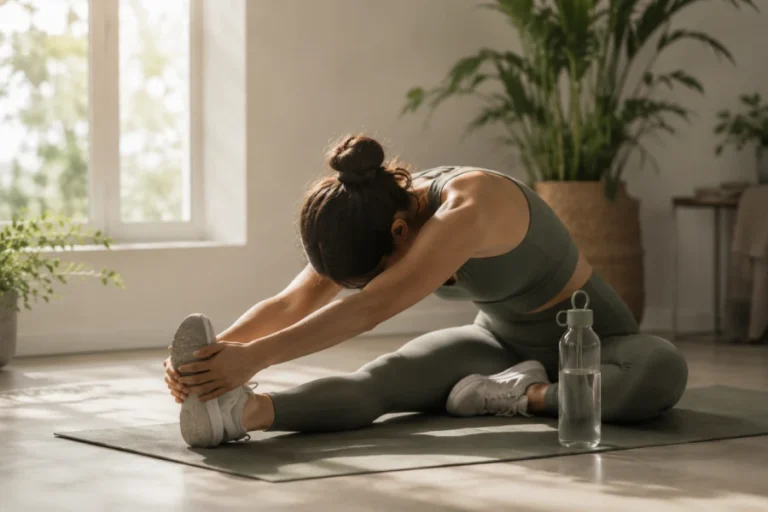
Your environment can make recovery easier. Choose a clean area with enough room to move. Use a mat, towel, or soft rug for comfort. Keep water nearby if needed. Lower distractions when possible. A quiet space helps your attention stay with the body. It also makes stretching feel more intentional. You do not need a perfect studio. You only need a spot that feels safe and easy to access. When the setup is simple, the habit has less friction. That makes consistency much more likely.
After exercise, your body benefits from a gradual cooldown. Gentle stretches can help you transition away from effort. Focus on the muscles you used most. Hold each stretch long enough to breathe calmly. Avoid chasing a deeper position too quickly. A post-workout stretching ebook can help you build a routine that feels organized. Recovery should leave you feeling restored. If a stretch increases discomfort, adjust immediately. Smart recovery is responsive, not rigid, and it changes with your body’s needs.
Breath is one of the most useful recovery tools. It helps you slow down and notice how a stretch feels. Try inhaling gently before entering a position. Exhale as you soften into it. Keep breathing steady while holding. If your breath becomes strained, the stretch may be too intense. This simple signal helps you stay safe. Breath also gives the mind something calming to follow. Instead of worrying about flexibility, you focus on release. That shift makes stretching feel more peaceful and more sustainable.
Desk work often creates stiffness in predictable areas. The neck, chest, hips, and lower back can all feel tight. Gentle stretches can interrupt that pattern. Try a seated neck release, doorway chest stretch, or hip flexor stretch. Keep movements slow. Avoid forcing anything. A daily mobility routine can make these stretches easier to remember. Even two minutes can help. The goal is not to erase every tight spot at once. It is to remind your body that movement is available.
Evening stretching can help you close the day with more ease. Choose movements that feel calming rather than energizing. A gentle forward fold, supported twist, or relaxed hamstring stretch can work well. Keep lighting soft if possible. Move slowly. Let the routine mark a transition from productivity to rest. This can be especially helpful after demanding days. Your body receives a clear message that effort is ending. Over time, the routine can become something you look forward to. Recovery feels easier when it also feels comforting.
Stretching becomes more meaningful when you treat it as body care. You are not fixing a problem. You are supporting a body that carries you through daily life. This mindset reduces pressure. It also makes the habit feel kinder. Some days will feel flexible. Other days will feel stiff. Both deserve patience. Gentle recovery works because it meets the body honestly. It gives you a repeatable way to pause, breathe, and restore comfort. That kind of care can make ordinary movement feel better over time.


Leave a comment